


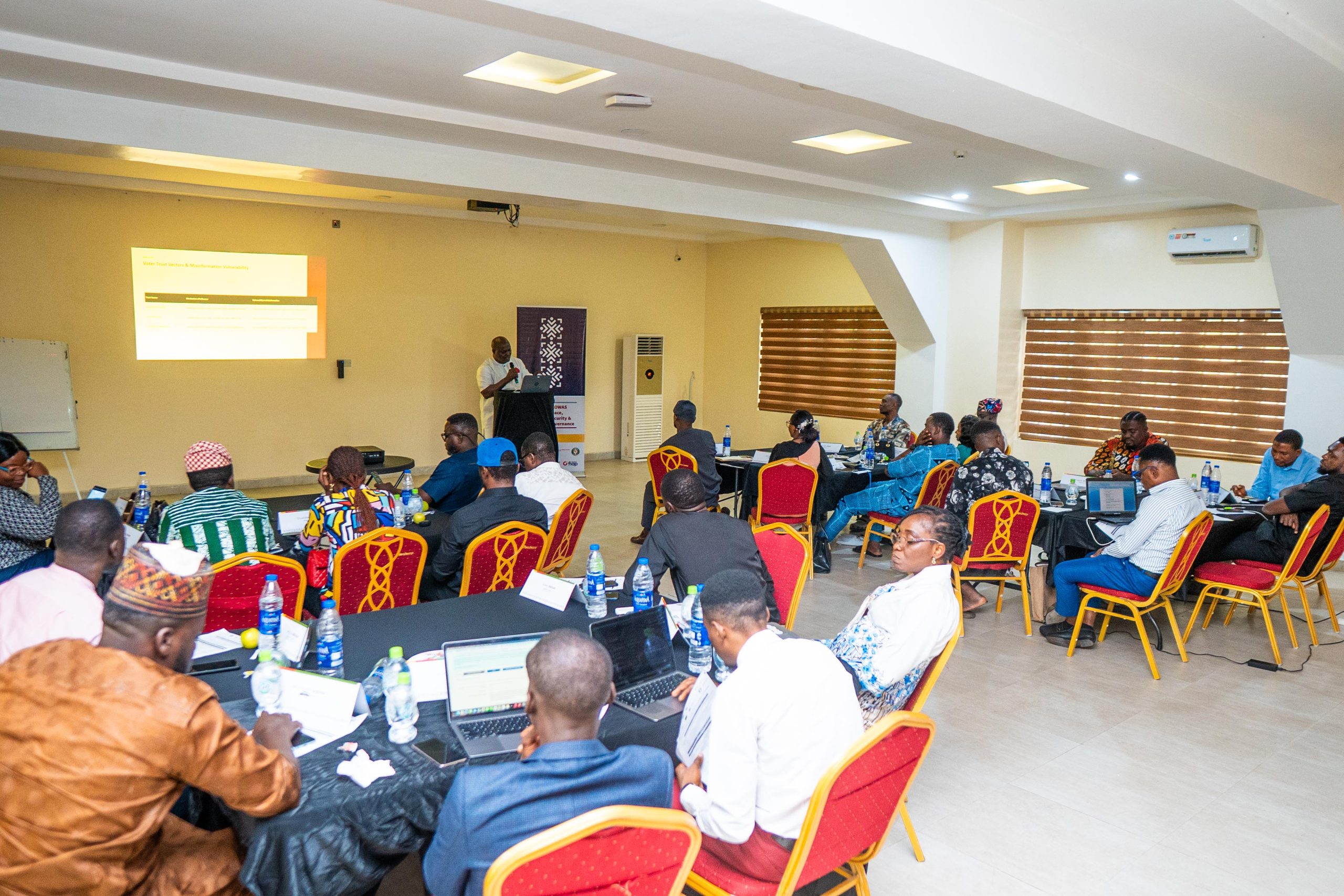
The Fundación para la Internacionalización de las Administraciones Públicas (FIAP) in collaboration with FactCheckAfrica, under the framework of the EU Support to ECOWAS in Peace, Security and Governance (EPSG) Project is strengthening journalists on indigenous–language electoral reporting ahead of Nigeria’s 2027 election.
CANDID REPORTERS monitored the 3-day training held at Uyo, the capital city of Akwa Ibom state. from October 13-15, 2026.
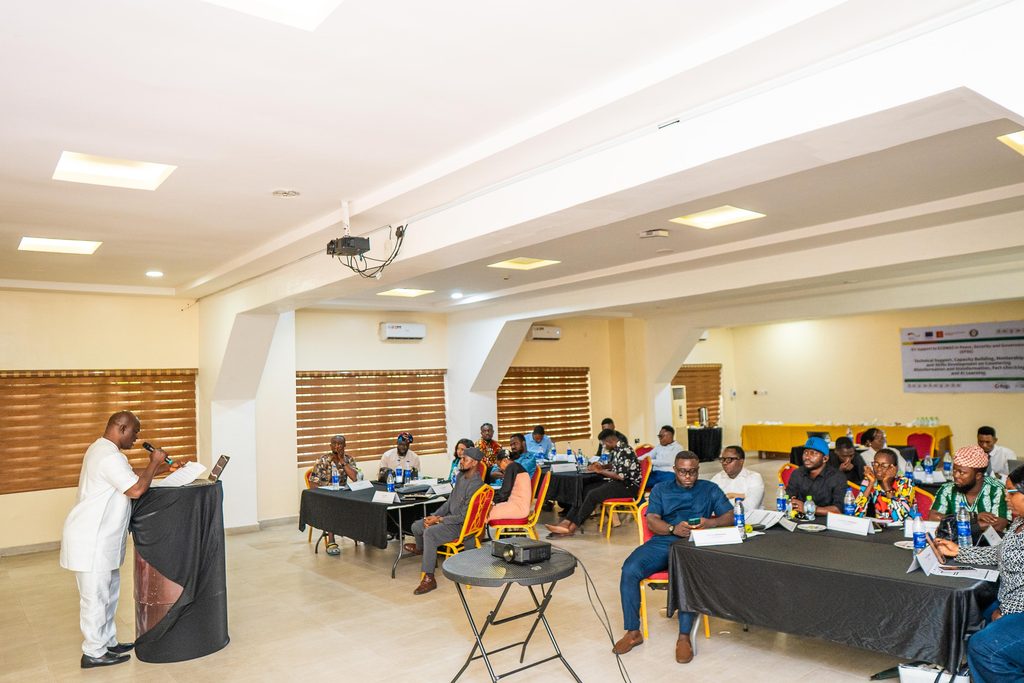
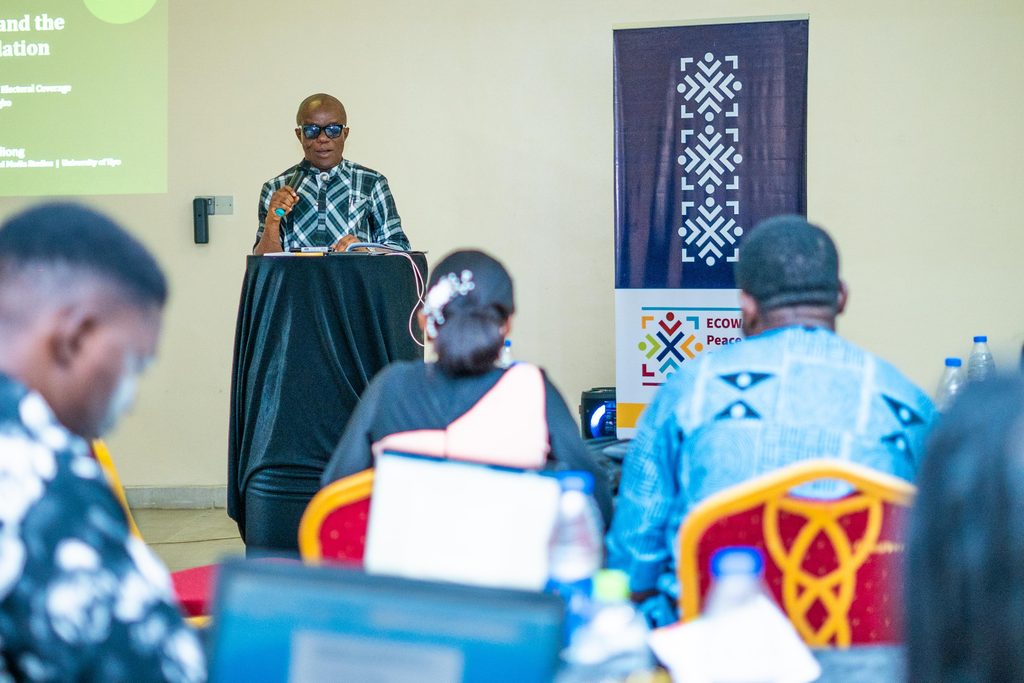
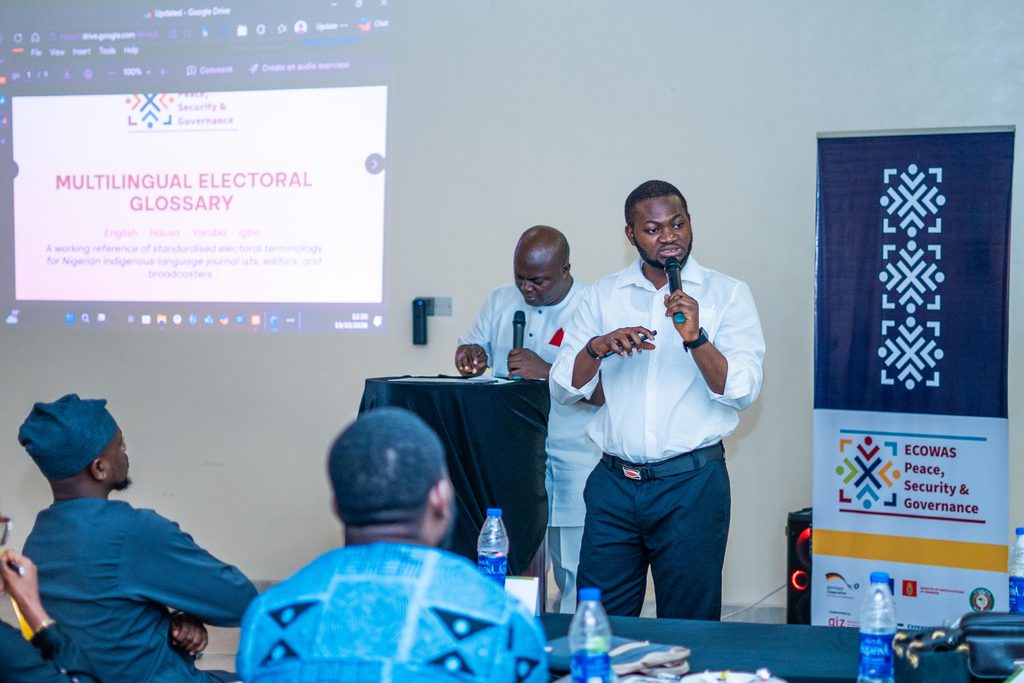
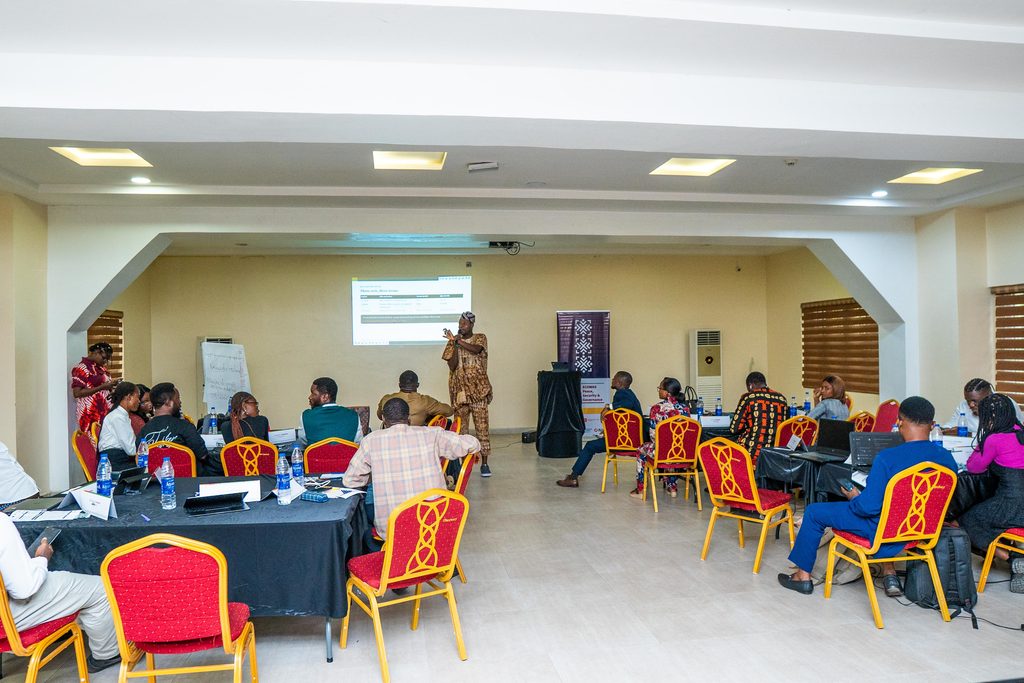
The three-day training programme was designed to strengthen the capacity of journalists, broadcasters, editors, fact-checkers and other media practitioners to produce accurate, ethical and inclusive electoral information in indigenous languages ahead of Nigeria’s 2027 elections.
The workshop focused on the development of electoral language resources for three Southern Nigerian languages: Yoruba, Igbo and Ibibio. Participants reviewed and validated existing draft electoral glossaries in Yoruba and Igbo, while developing an Ibibio electoral glossary draft from scratch. The inclusion of Ibibio reflected the importance of making the resources relevant to the linguistic context of Akwa Ibom State, where the training was hosted.
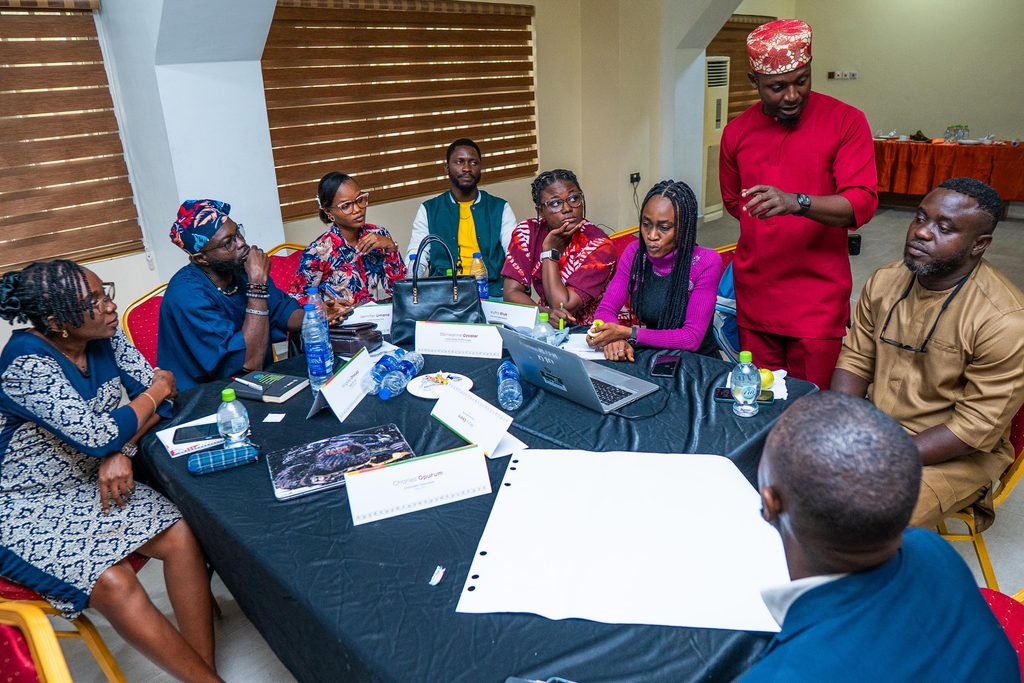
The training entertained 25 media practitioners and professionals involved in electoral communication for practical sessions on misinformation and disinformation, electoral terminology, translation accuracy, verification, ethical reporting and editorial quality control.
The training section had:
- The indigenous-language information ecosystem.
- Electoral process ands and the problem of translation.
- How Misinformation and disinformation travel in indigenous language.
- Building a multilingual electoral glossary and style sheet;introducing the FactCheckAfrica electoral glossary and language style sheet.
- Ethical reporting on vulnerable communities.
- Validating the Yoruba and Igbo electoral glossaries and developing other language electoral glossaries.
- practical Lab: Validating the Yoruba and Igbo electoral glossary and developing other languages electoral glossaries.
- Validating the Yoruba Language and Igbo language style sheet and developing the other language style sheet.
- Acurate Translation and adaptation of electoral information.
- Live transition clinic.
- Quality control for indigenous language electoral content.
CANDID REPORTERS also learnt that the activity was implemented under Activity 3.1.6a(3) of the EU Support to ECOWAS in Peace, Security and Governance (EPSG) Project, Thematic Area 1: Mis/Disinformation, Fact-checking and AI Learning.
The programme responds to the importance of indigenous-language communication in Nigeria’s electoral information environment. As citizens rely on radio broadcasts, social media, voice notes, community networks and interpersonal communication to access information, inaccuracies introduced through translation, misleading paraphrases and unverified claims can distort public understanding of electoral procedures and political developments.
The training examined how electoral information travels across formal media channels and informal communication networks, with particular attention to how meaning can change as information is translated, summarised, forwarded or reproduced in different contexts. Participants explored common forms of electoral misinformation, including fabricated announcements, misleading election dates, false voting instructions, manipulated translations, altered results and misleading political claims.
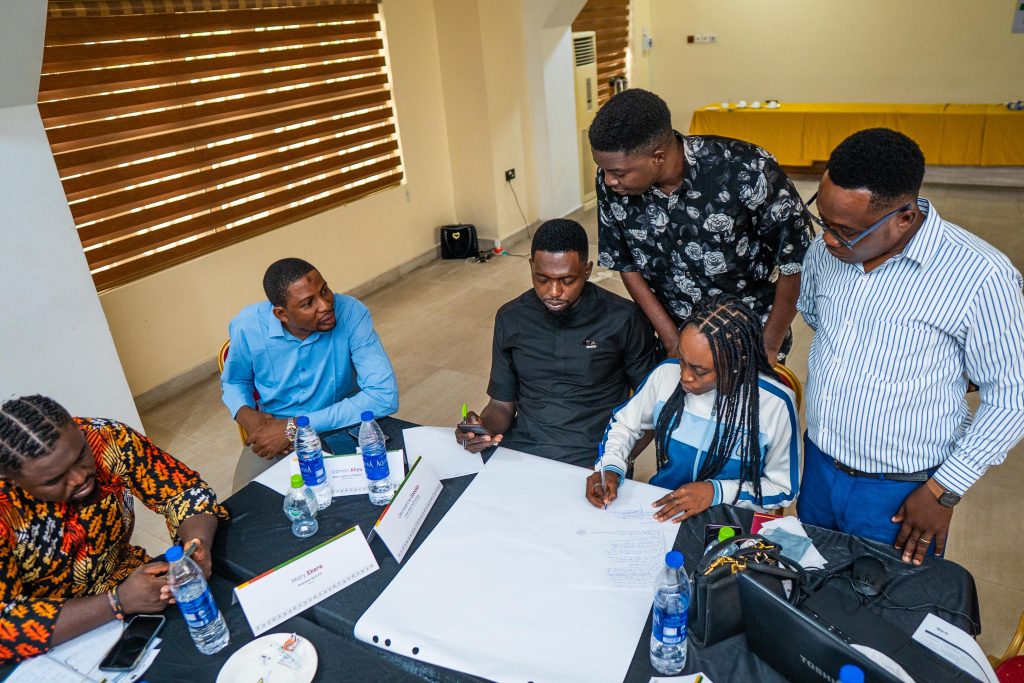
The programme also examined electoral concepts and terminology relating to voter registration, accreditation, polling units, ballot papers, the Bimodal Voter Accreditation System (BVAS), result collation, electoral offences and election petitions. These sessions highlighted the importance of preserving the meaning, context and procedural accuracy of electoral information when communicating it across languages.
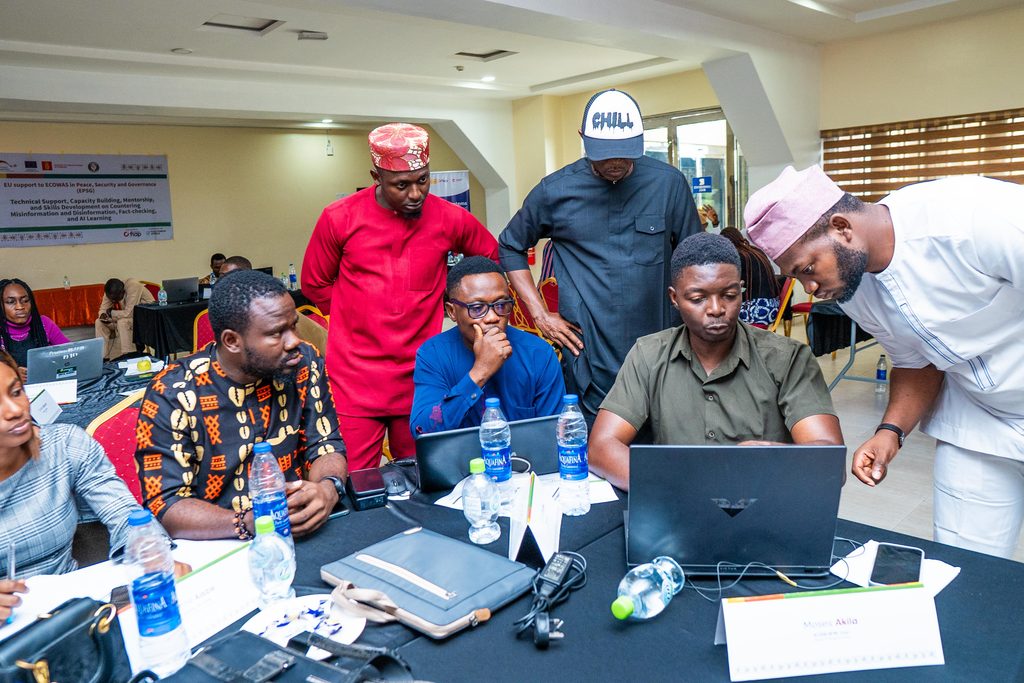
Another focus was the ethical responsibility of media practitioners reporting on vulnerable and underserved communities. Participants considered how inaccurate or insensitive reporting can misrepresent communities, reinforce harmful narratives or contribute to confusion during elections. Discussions emphasised evidence-based reporting, appropriate attribution, contextual accuracy and careful consideration of potential harm.
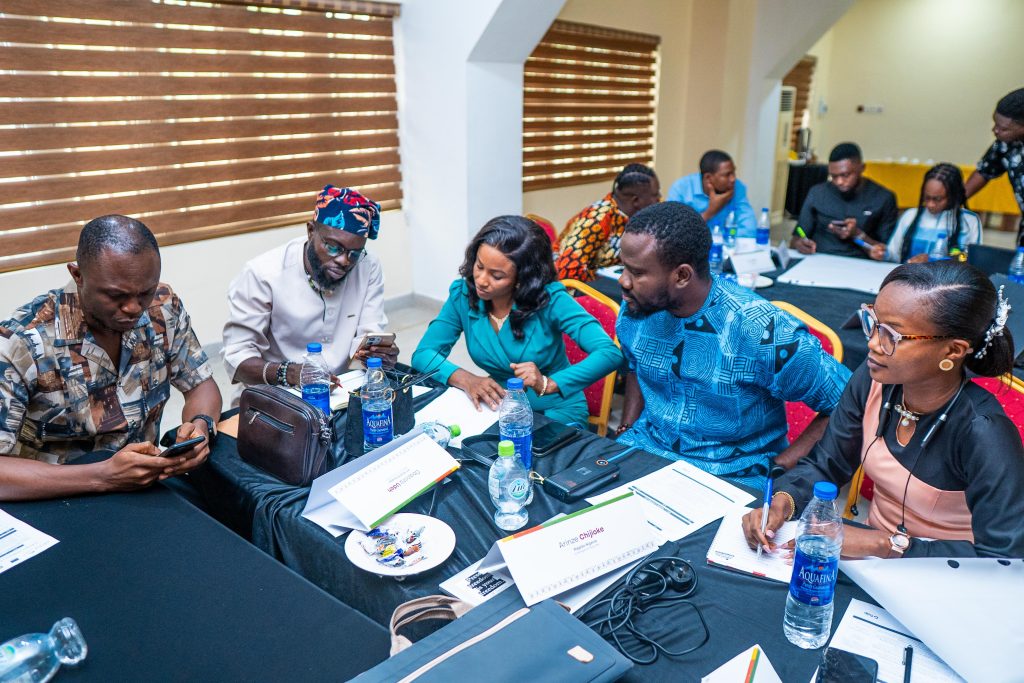
Participants also developed language-specific style sheets for Yoruba, Igbo and Ibibio to support consistency in electoral terminology, spelling, translation and editorial usage. Together, the glossaries and style sheets are intended to provide practical references for journalists, broadcasters, editors, fact-checkers and translators working to communicate electoral information accurately and consistently across the three languages.
The resource-development process highlighted that translating electoral information involves more than substituting words from one language for another. Practitioners must preserve the meaning of official statements, account for linguistic and cultural context, use terminology consistently and ensure that translated content does not introduce ambiguity or change the substance of the original information.
The training combined expert-led presentations with facilitated discussions, practical exercises, collaborative resource development and peer review. Participants also explored verification and quality-control practices for indigenous-language electoral content, including tracing original sources, checking official information, corroborating claims and reviewing translations before publication or broadcast.
The sessions further emphasised the risks of circulating claims simply because they are widely shared or delivered in an authoritative-sounding voice. Participants were encouraged to establish stronger editorial checks for electoral announcements, political claims, voice notes and result-related information, particularly where inaccurate reporting could mislead voters or undermine public confidence.
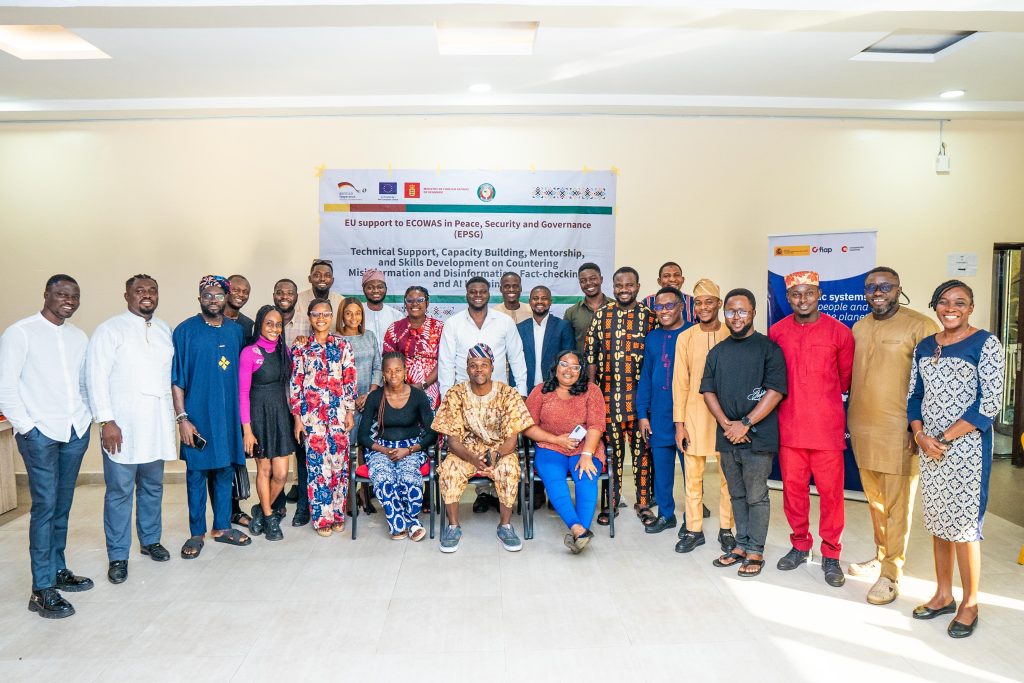
PHOTO: Group photograph of Participants and organisers.
Disclaimer: Candid Reporters publishes news, information, sports, opinions, and Interviews. The site includes both reported and edited content. Unmoderated posts and Comments expressed here do not reflect the opinions of Candid Reporters or any employee thereof..
